
The strongest way to use Asia Miles is to transfer them to Cathay Pacific or a oneworld partner for business or first class to Asia. A one-way business-class seat from the U.S. West Coast to Hong Kong runs 70,000 to 85,000 miles plus fees, against a cash price that typically clears $4,000. That's roughly 5 cents per mile on a currency you can earn at home with no U.S. Cathay co-brand card.
Asia Miles is one of the most under-discussed transferable currencies in the U.S. market. The reason is structural: there is no domestic Cathay co-brand. To build a meaningful balance, you transfer from Amex Membership Rewards or Citi ThankYou Points at a 1:1 ratio. Here's how the math actually works.
How U.S. Cardholders Earn Asia Miles
No U.S. bank issues a Cathay co-brand card. Asia Miles balances are built almost entirely through transferable points.
The two strongest pipelines are Amex Membership Rewards and Citi ThankYou Points. Both transfer 1:1, typically within minutes. Capital One miles and Bilt Rewards also transfer 1:1, giving Asia Miles broader transferable-points coverage than most non-alliance loyalty programs.
| Currency | Ratio | Transfer Time | Top Earning Cards |
|---|---|---|---|
| Amex Membership Rewards | 1:1 | Instant to 24h | Amex Gold, Amex Platinum, Amex Green |
| Citi ThankYou Points | 1:1 | Instant to 24h | Citi Strata Premier, Citi Strata Elite |
| Capital One Miles | 1:1 | Same day | Venture X, Venture |
| Bilt Rewards | 1:1 | Same day | Bilt Mastercard |
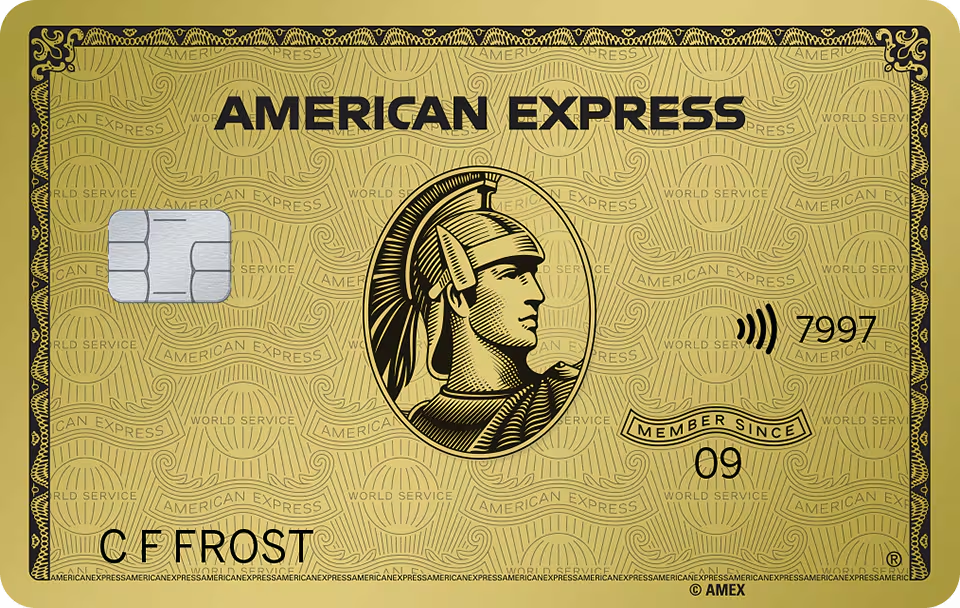
The American Express Gold Card is the strongest everyday earner with 4x Membership Rewards at restaurants and U.S. supermarkets. The Citi Strata Premier covers a wider category mix at 3x ThankYou Points on air, hotels, restaurants, supermarkets, and gas for a $95 annual fee, and the program transfers natively to Asia Miles. Premium fliers can stack the Amex Platinum at 5x on flights booked directly with airlines.
What Asia Miles Are Actually Worth
Supapoints values Citi ThankYou Points at 1.8 cents and Amex Membership Rewards at 2 cents per point. The realized value of a transferred Asia Mile depends entirely on how it's redeemed.
The floor is around 0.5 cents per mile on the Cathay Shop catalog and non-flight redemptions. Short-haul intra-Asia economy lands around 1.5 cents. The ceiling is roughly 4 cents on Cathay first class from the U.S. to Hong Kong, and 2.5 to 3.5 cents on Cathay business class on the same route.
Hit the high end of that range and Asia Miles becomes one of the most valuable currencies an Amex or Citi cardholder can produce. Default to short-haul economy or merchandise and the program is a poor cousin to keeping points in Membership Rewards or ThankYou.
Sweet Spot Redemptions
Five redemption patterns do most of the value work.
| Redemption | Miles (One-Way) | Cash Equivalent | Effective cpp |
|---|---|---|---|
| Cathay business U.S. to HKG | 70,000–85,000 | $3,500–4,500 | 4.0–5.5 |
| Cathay first U.S. to HKG | 110,000–125,000 | $7,000–10,000 | 5.6–8.0 |
| JAL business U.S. to Tokyo | 60,000–85,000 | $3,800–5,500 | 4.5–6.5 |
| Qantas business U.S. to Sydney | 99,000–125,000 | $5,500–8,000 | 4.4–6.4 |
| Intra-Asia short-haul economy | 7,500–15,000 | $150–350 | 1.5–2.5 |
The standout is the JAL business class redemption. JAL rarely opens premium-cabin space to American AAdvantage, but Asia Miles has better access and Standard-level pricing as low as 60,000 miles one-way to Tokyo from the West Coast. The lie-flat product on JAL's 787 and 777 is competitive with Cathay's own.
Cathay's own metal is most aggressively priced when Standard-level space opens. The dynamic Choice and Tailored tiers exist as a fallback, but at 1.5x to 2x the Standard mileage cost, the realized cpp usually drops below what Capital One or Chase transfer partners deliver.
Short-haul awards inside Asia are the everyday workhorse. A Hong Kong to Taipei or Tokyo redemption clears at 7,500 to 12,000 miles in economy. The same flight in cash often runs $200 to $400. That's a clean 2 to 3 cent redemption with none of the searching that international premium awards demand.
Fuel Surcharges and Award Chart Quirks
The biggest drawback of Asia Miles is fuel surcharges. Cathay passes them through on Cathay-operated flights, typically $200 to $400 each way in addition to the mileage cost. JAL and British Airways also impose surcharges on their own metal; a U.S.-to-Tokyo JAL business award can carry $400 in YQ on top of the miles.
American Airlines is the surcharge-free oneworld outlier. Booking American-metal flights through Asia Miles avoids YQ entirely, though AAdvantage has the same access to American's award seats and is sometimes cheaper outright. Asia Miles' value on AA-operated flights is therefore narrow.
Two more quirks matter. Miles expire 18 months after your last earning or redemption activity, and a single transfer from Amex or Citi resets the clock. Cardholders who hold Asia Miles passively for two-plus years can lose entire balances. The fix is to transfer in small batches as you book, not as a long-term stockpile.
Cathay also distinguishes between Standard and Choice award levels on its own metal. Standard pricing is roughly 30 to 50 percent cheaper but space is capacity-controlled. Always search Standard first; if it isn't open, switching to a different transferable currency usually beats accepting Choice pricing.
Worst Asia Miles Redemptions
Several common uses destroy 60 to 80 percent of the miles' potential.
Cathay Shop merchandise and partner gift redemptions price at roughly 0.5 cents per mile. A 10,000-mile electronics item is worth $50; the same miles produce $150 to $400 in flight value.
Hotel bookings through the Asia Miles travel portal redeem at about 0.7 cents per mile. Direct booking with cash is the better path for hotel spend, with the points kept in the originating program for a future flight transfer.
Magazine subscriptions, wine, and lifestyle partners almost universally redeem below 1 cent. The redemption flow inside the Asia Miles app surfaces these alongside flights, which makes the value gap easy to miss in casual browsing.
The pattern is consistent: anything that isn't a flight award on Cathay or a oneworld partner is almost certainly a low-value redemption.
How to Book
Cathay Pacific awards and most oneworld partners book online at asiamiles.com. Award search surfaces Standard and Choice tiers separately, and the Cathay Pacific app displays the same inventory.
Some partner redemptions still require a phone call, typically with a small service fee that's often waived for first-time bookings. Confirm award space before initiating any transfer. Once Membership Rewards or ThankYou Points land at Asia Miles, the transfer cannot be reversed.
The cleanest workflow is to search the award first, hold it if Cathay allows a 72-hour hold, then move only the exact miles needed from Amex or Citi to complete the booking.
How Asia Miles Compare to Other Transferable Currencies
If you already earn Amex MR or Citi TY and travel to Asia regularly, Asia Miles deserves a place alongside Capital One miles redemptions in the rotation. The decision between currencies usually comes down to alliance routing: Asia Miles for oneworld and intra-Asia, Capital One for Star Alliance via Avianca or Turkish, Chase for Air France and Hyatt.
For a single transferable currency that covers most Asia premium-cabin needs, Asia Miles via the Citi Strata Premier at a $95 annual fee is the lowest-cost entry point.
Bottom Line
Asia Miles is the strongest oneworld transferable-currency play for U.S. cardholders willing to fly Cathay, JAL, or Qantas business class. At 4 to 6 cents per mile on premium-cabin awards to Asia, the program clears the bar set by every other 1:1 transferable currency in the market.
The constraint is access. Without a U.S. co-brand, balances must be built through Amex or Citi transfers as you book, not stockpiled in advance. Use the program for the redemptions it does best: business and first class on Cathay, JAL, and Qantas. Skip every non-flight option in the Asia Miles app.