Chase runs four United MileagePlus cards, priced from $0 to $525 a year. The gap between tiers isn't gradual: the Quest adds a $125 credit and Chase Travel earning the Explorer doesn't have, and the Club adds a full lounge membership worth roughly $650 a year on its own.
Here's what each card earns, what it costs after credits, and which one matches which kind of United flyer.
The Four Cards at a Glance
| United Gateway | United Explorer | United Quest | United Club | |
|---|---|---|---|---|
| Annual fee | $0 | $150 ($0 first year) | $250 | $525 |
| United earning | 2x | 3x (2x until Apr 2, 2026) | 3x | 4x |
| Dining | 2x | 2x | 2x | 2x |
| Gas | 2x | 1x | 1x | 1x |
| Everything else | 1x | 1x | 1x | 1x |
| Checked bags free | None | 1st bag (+1 companion) | 2 bags | 1st & 2nd bag (+1 companion) |
| United Club access | None | 2 one-time passes/year | None | Full membership |
| Global Entry/TSA credit | No | Yes, up to $120 | Yes, up to $120 | Yes, up to $120 |
| Annual United credit | None | Up to $430 in stackable credits | Up to $125 | None |
| Welcome bonus | 30,000 miles ($1,000/90 days) | 70,000 miles ($3,000/90 days) | 70,000 miles ($3,000/90 days) | 75,000 miles ($5,000/90 days) |
The United Gateway: No Fee, No Bag Benefit
The United Gateway is the only one of the four with no annual fee. It earns 2x miles on United purchases, gas stations, and dining, and 1x everywhere else. There's no checked bag benefit and no United Club access.
It works as a way to hold United MileagePlus miles without an annual charge, or as a starter card before upgrading once travel picks up. Anyone who checks a bag on United more than once a year is leaving value on the table by staying on the Gateway, since the fee gap to the Explorer is easily covered by one waived bag fee alone.
The United Explorer: The Credits Add Up Fast
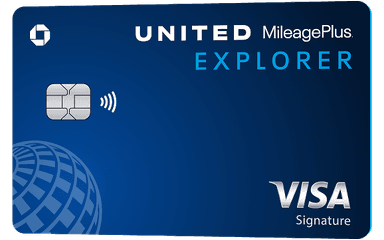
The United Explorer costs $150 a year, waived the first year, and earns 3x on United purchases as of April 2, 2026, plus 5x on hotels booked through the United Hotels portal and 2x on dining and direct hotel bookings. It includes a first checked bag free for the cardholder and one companion, two United Club one-time passes each cardmember year, and priority boarding.
Stack the potential credits and the Explorer can offset its entire fee before the earning rate or bag benefit even factor in: up to $100 in United Hotels credits, $60 in rideshare credits, $120 for Instacart, $100 for JSX flights, and $50 for Avis or Budget rentals booked through United, roughly $430 in total. Few cardholders will use every credit in a given year, but even capturing the hotel and rideshare portions covers the fee comfortably.
The United Quest: The Credit Pays Half the Fee Directly
The United Quest costs $250 a year and earns 3x on United purchases and Chase Travel hotel and car bookings, plus 2x on dining, streaming, non-portal hotels, and car rentals. It includes a $125 annual United credit, a Global Entry or TSA PreCheck credit, and two checked bags free.
The $125 credit alone covers half the fee, and it applies broadly across United flights, inflight purchases, and United Club passes rather than being restricted to a narrow category. Add the 3x rate on United and Chase Travel bookings, a full point higher than the Explorer's 2x on the same spend before April 2026, and the Quest pulls ahead for anyone who books United flights and Chase Travel hotel stays regularly.
The tradeoff against the Explorer is the loss of the stacked lifestyle credits (Instacart, rideshare, JSX) in exchange for a simpler, higher-value United credit and a stronger core earning rate.
The United Club: The Lounge Membership Changes the Math
The United Club Card costs $525 a year, the most of the four, and earns 4x on United and Chase Travel hotel and car bookings, 2x on dining, and 2x on all other travel. Its core benefit is full United Club membership, unlimited access to United Club and Star Alliance affiliated lounges on any day you're flying a United-ticketed itinerary, plus one companion or immediate family.
Priced on its own, a United Club membership runs close to $650 a year for a single traveler. Bundled into the card, it's the primary reason to pay $525 rather than $250 for the Quest. Add the first and second checked bag free for the cardholder and a companion, plus the same Global Entry or TSA PreCheck credit found on the Quest, and the math favors frequent United flyers who'd otherwise buy lounge access or an annual membership separately.
A traveler who flies United fewer than 10 times a year and doesn't value lounge access will overpay on the Club relative to the Quest. The card earns its fee through the membership, not the earning rate.
The Welcome Bonuses
Each bonus scales with the card's fee and spend requirement. The Gateway offers 30,000 miles after $1,000 in spend within 90 days. The Explorer and Quest both offer 70,000 miles, but the Explorer requires $3,000 in spend while the Quest requires the same $3,000 for a card with a $100 higher fee, so the Quest's bonus is the easier win relative to its cost. The Club offers 75,000 miles after $5,000 in spend, the largest bonus and the largest requirement of the four.
United MileagePlus miles are worth more than a flat cent-per-point estimate when redeemed for premium cabin awards or partner flights, so a bonus in the 70,000-plus range is meaningful on any of these cards. For a full breakdown of redemption value, see how much United miles are worth.
Which One Fits
Someone who flies United once or twice a year and wants MileagePlus miles without a fee should start with the Gateway. A traveler who checks bags regularly and books the occasional United Hotels stay will clear the Explorer's fee through the stacked credits and bag benefit alone.
Frequent United flyers who book Chase Travel hotels or rental cars alongside their flights get the clearest return from the Quest, where the $125 credit and 3x rate do the heavy lifting. Travelers who fly United often enough to want guaranteed lounge access, or who'd otherwise pay for a United Club membership out of pocket, are the target for the Club.
None of the four locks you out of the others long-term. A cardholder can start on the Gateway or Explorer and upgrade to the Quest or Club once United becomes a bigger part of their travel, and the fee difference between adjacent tiers is small enough that switching costs little beyond the annual charge for whichever card is active. If you're deciding specifically between the Explorer and Quest, the Explorer vs. Quest comparison breaks down the $100 fee gap against the extra credit and earning rate side by side.
If United isn't your primary airline, compare these against a flexible points card instead. The Card Advisor can show how any of the four ranks against other travel cards based on your actual spending profile, and the Supapoints Benefit Tracker can hold the Explorer's rideshare and Instacart credits, or the Quest's annual United credit, so none of them expire unused.
Bottom Line
The United Quest is the strongest all-around pick for regular United flyers: the $125 credit covers half the $250 fee directly, and the 3x rate on United and Chase Travel bookings beats the Explorer's rate on the same spend. Step up to the Club only if lounge access is something you'd pay for separately, and stick with the Gateway or Explorer if you fly United a few times a year and don't need United Club access.